Emergent Roles of Extracellular Nucleic Acids in Staphylococcus Biofilms
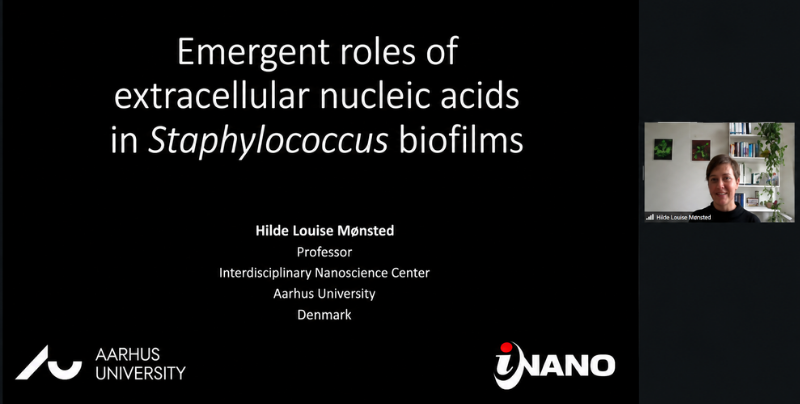
🔴 One of the featured presentations during Session 4 (Day 2) of the 2nd International Virtual Conference on Staphylococci and Staphylococcal Infections 2026 featured Prof. Rikke Meyer from Aarhus University (Denmark), who delivered an insightful lecture on Emergent Roles of Extracellular Nucleic Acids in Staphylococcus Biofilms.
Biofilm formation is one of the defining characteristics of Staphylococcus aureus and other staphylococcal species, allowing these bacteria to survive in hostile environments and persist on medical devices, implanted biomaterials, and host tissues. Within a biofilm, bacterial cells are embedded in a self-produced extracellular matrix that protects them from immune defenses and reduces susceptibility to antimicrobial therapy. While this matrix was traditionally thought to consist primarily of polysaccharides, proteins, and extracellular DNA, growing evidence suggests that extracellular nucleic acids play far more dynamic roles in biofilm development than previously recognized. Understanding these molecular components is essential for developing new strategies to disrupt biofilms and improve treatment outcomes.
During her presentation, Prof. Meyer discussed the emerging functions of extracellular nucleic acids in shaping the structure, stability, and biological properties of staphylococcal biofilms. The lecture highlighted how these nucleic acids contribute to the organization of the biofilm matrix and influence interactions between bacterial cells, ultimately supporting persistence under challenging environmental conditions. By improving our understanding of the molecular architecture of biofilms, this research provides valuable insight into mechanisms that enable chronic colonization and antimicrobial tolerance.
Prof. Meyer’s research focuses on microbial biofilms, biomaterials, and host-pathogen interactions, with particular emphasis on understanding the physical and molecular organization of bacterial communities. Her laboratory combines microbiology, biophysics, advanced imaging, and materials science to investigate how biofilms develop, respond to environmental stresses, and interact with medical devices and host tissues. This interdisciplinary research is advancing knowledge of biofilm biology and helping identify innovative approaches for preventing and controlling biofilm-associated infections.
The presentation generated significant interest among conference participants, highlighting the importance of extracellular nucleic acids as key structural and functional components of staphylococcal biofilms. Continued research in this area is expected to support the development of novel anti-biofilm therapies that target the biofilm matrix, complement existing antimicrobial treatments, and improve the management of persistent staphylococcal infections.
Stay connected with StemX Media for more live scientific updates from the conference as leading experts share the latest advances in staphylococcal biology, antimicrobial resistance, host-pathogen interactions, and therapeutic development.
This conference is organized by Impact Research Communications (IRC)
More info: https://staph.ircconferences.net/ | Staphylococcus Science & Therapeutics