Cytosolic Nucleic Acid Sensors Mediate Antimicrobial and Inflammatory Responses of Primary Bone Cells to Staphylococcal Osteomyelitis
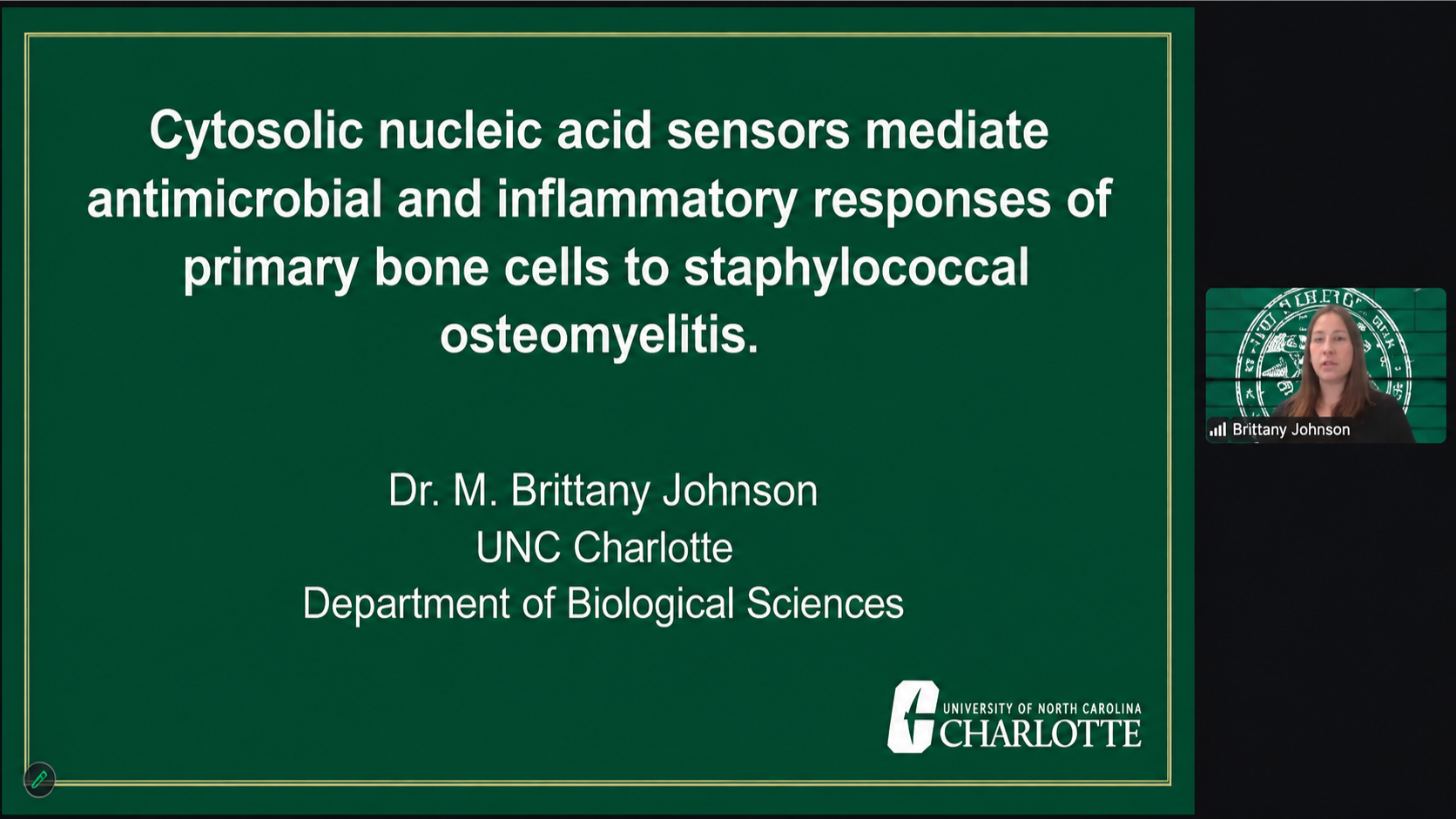
🔴 One of the featured presentations during Session 2 of the 2nd International Virtual Conference on Staphylococci and Staphylococcal Infections 2026 featured Dr. M. Brittany Johnson from the University of North Carolina at Charlotte (USA), who presented an insightful lecture on Cytosolic Nucleic Acid Sensors Mediate Antimicrobial and Inflammatory Responses of Primary Bone Cells to Staphylococcal Osteomyelitis.
Osteomyelitis caused by Staphylococcus aureus remains a significant clinical challenge because the bacterium can establish persistent infections within bone tissue despite prolonged antimicrobial therapy. While immune cells play a central role in combating infection, increasing evidence suggests that bone cells themselves actively participate in innate immune defense. Osteoblasts and other resident bone cells possess pattern-recognition receptors capable of detecting microbial components and initiating inflammatory and antimicrobial responses that contribute to controlling infection and coordinating immune cell recruitment. Understanding these mechanisms is essential for developing improved therapeutic strategies for chronic bone infections.
During her presentation, Dr. Johnson discussed the role of cytosolic nucleic acid sensors in detecting S. aureus within primary bone cells and initiating antimicrobial and inflammatory signaling during osteomyelitis. Her presentation highlighted how intracellular sensing pathways recognize bacterial nucleic acids and activate innate immune responses that influence both bacterial clearance and local inflammation. These findings contribute to a growing understanding of osteoimmunology and demonstrate that bone cells function as active participants in host defense rather than passive structural components of skeletal tissue.
Dr. Johnson’s research focuses on host–pathogen interactions at the interface of bone biology and immunology, with particular emphasis on innate immune sensing during bacterial infection. Her laboratory integrates molecular biology, microbiology, immunology, and experimental infection models to investigate how skeletal cells detect invading pathogens and regulate immune responses within bone tissue. This work is expanding our understanding of the molecular mechanisms underlying S. aureus-induced osteomyelitis and identifying potential targets for future host-directed therapeutic interventions.
The presentation generated considerable interest among conference participants, highlighting the rapidly evolving field of osteoimmunology and the importance of understanding how resident bone cells contribute to antimicrobial defense. Continued investigation of innate immune sensing pathways within skeletal tissues may support the development of more effective strategies to treat chronic osteomyelitis while minimizing tissue damage associated with persistent inflammation.
Stay connected with StemX Media for more live scientific updates from the conference as leading experts share the latest advances in staphylococcal biology, antimicrobial resistance, host–pathogen interactions, and therapeutic development.
This conference is organized by Impact Research Communications (IRC)
More info: https://staph.ircconferences.net/ | Staphylococcus Science & Therapeutics